
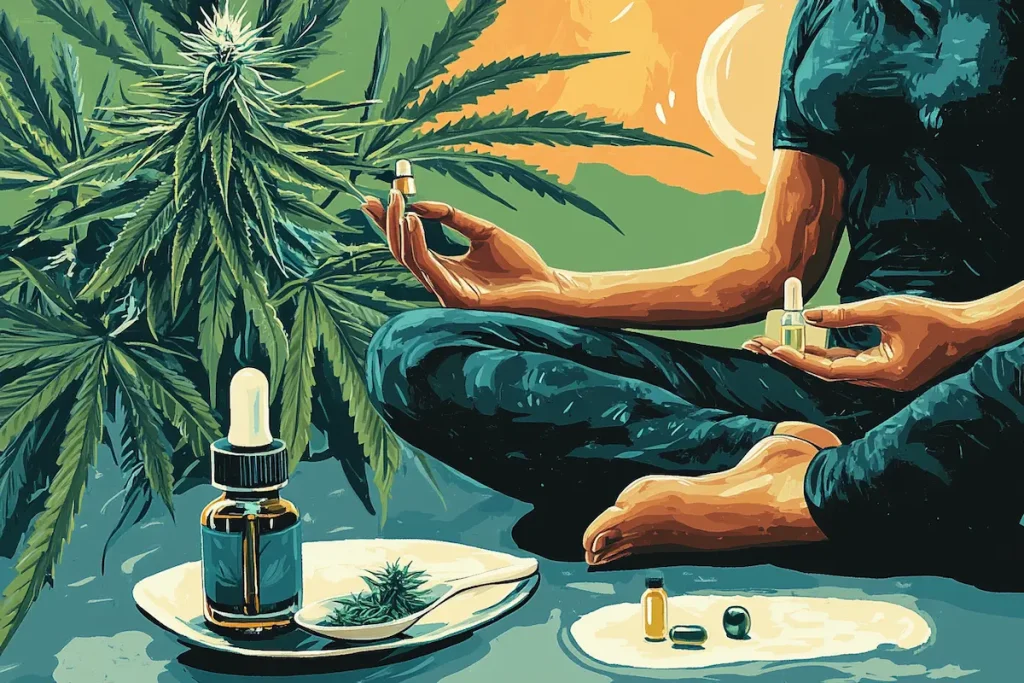
Myths about cannabis have circulated for years, generating confusion and misinformation about this plant. Many people believe that its consumption is highly addictive, that it causes irreversible damage to the brain or that it has no medicinal benefits. However, science has shown that most of these claims are unfounded and that, in reality, the impact of cannabis depends on multiple factors, such as the frequency of use, the dose and the way it is used.
On the other hand, it is important to clarify that not everything that is said about cannabis is false. Some concerns have a scientific basisbut they are often exaggerated or taken out of context to feed prohibitionist discourse. For this reason, it is essential to differentiate between what is really supported by studies and what is part of the collective imagination without solid evidence.

Myths about cannabis and its real impact
"Cannabis is a highly addictive drug."
One of the myths about cannabis is that its consumption generates a extreme dependenceequating it with drugs such as heroin or cocaine. However, this belief has no scientific basis.
In fact, the addiction rate for cannabis is significantly lower compared to other widely consumed legal substances. For example, according to medical studies, approximately 9% of consumers of cannabis develop some degree of dependence. On the other hand, more than 30% of tobacco smokers and around 15% of alcohol consumers present addiction problems.
Is it possible to develop dependence?
Yes, although in a small percentage of users. The risk of developing cannabis dependence is influenced by a number of factors, such as the frequency of consumption, genetic predisposition and social environment. However, it is important to differentiate between occasional recreational use and problematic use, which occurs in a minority of cases.
In addition, unlike other substances, the cannabis withdrawal symptoms are mild and poses no serious health risks. Symptoms usually include insomnia, irritability and changes in appetitebut they disappear in a few days.
"Cannabis kills neurons and affects intelligence".
Another of the myths about cannabis The most repeated claim is the alleged neuronal destruction caused by its consumption. However, this assertion lacks sound scientific support.
Studies on the impact on the brain
Research has shown that moderate use of cannabis is associated with is not associated with neuron loss or irreversible cognitive impairment in adults. In fact, a study published in the journal JAMA in 2012 found that. no significant differences in brain function between occasional consumers and non-consumers.
However, in the case of adolescentsthe frequent and abusive use of cannabis it could affect cognitive developmentThe brain is still forming until about the age of 25. This effect, however, is not exclusive to cannabis, but occurs with other substances such as cannabis. alcohol and some psychiatric medications.

Myths about cannabis flower and its effects
"Smoking cannabis flower is the only form of consumption."
One of the most widespread myths about the cannabis flower is the belief that the only way to consume it is through combustion. However, this is falseThere are various forms of consumption, many of which reduce the harmful effects of smoke and allow better use of the active compounds of cannabis.
Other forms of consumption
For those seeking healthier alternatives or simply wishing to experiment with other methods, cannabis consumption can be done in a variety of ways:
- VaporizationUnlike smoking, this method heats the cannabis flower without burning itThis allows inhaling the cannabinoids without the toxic compounds of smoke. In addition, it improves the bioavailability of the active ingredients, offering a cleaner and more efficient effect.
- GroceriesThis form of consumption is becoming more and more popular, since it provides longer-lasting effects. However, their activation in the body is slower, as cannabinoids must be processed by the digestive system before taking effect.
- Topicsfor those who are looking for the therapeutic benefits of cannabis flower without experiencing psychoactive effectstopical products are an excellent option. Cannabinoid-enriched creams, ointments and oils can relieve localized muscle pain and skin conditions.
"Cannabis has no medical benefits"
Another of the most repeated myths is the claim that cannabis lacks medicinal properties. However, this belief has been disproved by numerous scientific studieswhich have shown that the cannabis flower contains compounds with widely recognized therapeutic effects.
Proven medicinal uses
Thanks to its chemical composition, especially to cannabinoids such as cannabinoids and THC and the CBDcannabis flower has shown efficacy in the treatment of various conditions, among them:
- Chronic pain reductionCannabis has been shown to act as an antioxidant. natural analgesichelping to relieve muscular, neuropathic and arthritic pain without the side effects of traditional opioids.
- Epilepsy management: The CBDone of the main compounds in cannabis flower, has been approved by the FDA to treat severe forms of epilepsy, such as Dravet syndrome and Lennox-Gastaut syndrome.
- Anxiety and insomnia reliefSeveral studies have demonstrated that certain cannabinoids have anxiolytic and sedative effectswhich may contribute to sleep regulation and stress reduction in people with anxiety disorders.
Why is it important to be well informed?
Cannabis continues to be surrounded by myths that can affect public perception and regulatory decisions. Being informed by scientific data is key to understanding its true impact and separating fact from fiction.
If you want to learn more about the world of cannabis or become a member of a cannabis club in Barcelona, click here:
Become a member of CUBE Barcelona
You may also be interested in
- What is 420: Here we explain
- Full spectrum CBD vs. isolated CBD
- Hops and Cannabis: How Much Are They Similar?
Want to get to know us? Find out CUBE, our weed club in Barcelona, look How to Get to the Club y Request your invitation. Admission is limited to members 18 years of age or older.


