
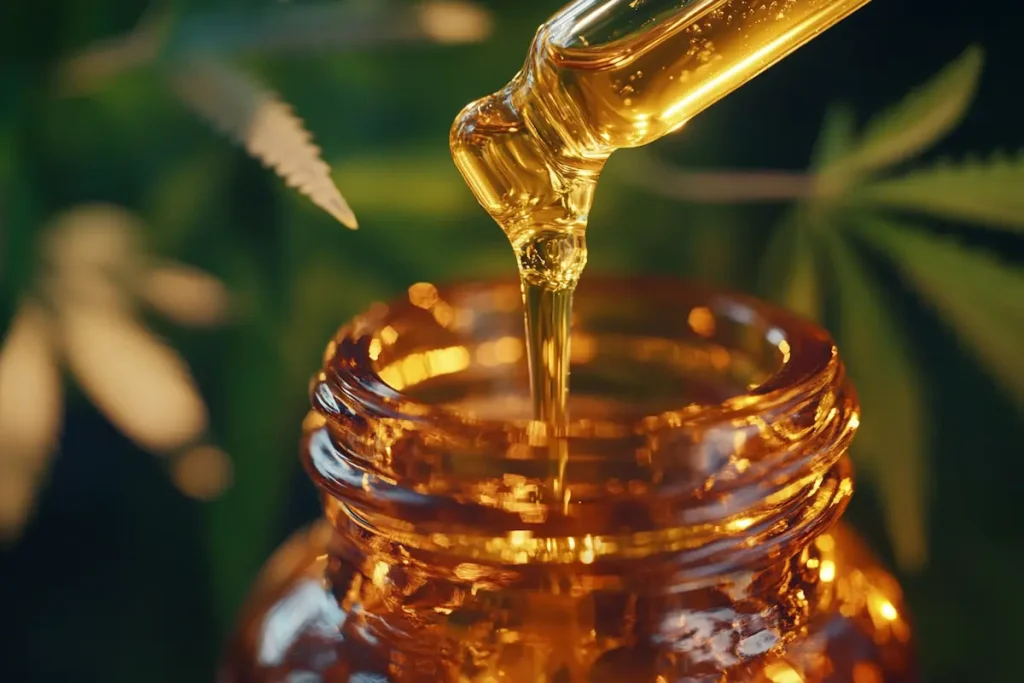
Cannabis oil has become a highly sought-after product thanks to its many therapeutic and cosmetic uses. More and more people are looking up how to make cannabis oil at home to enjoy its benefits in a natural, personalized way. Making it is a simple process, but you need to know the right steps to get a quality product with the concentration you want.
Besides being easy to prepare, cannabis oil stands out for its possible analgesic, anti-inflammatory and relaxing properties, which is why some people use it to relieve pain, reduce stress and improve sleep. It’s also used in skin care, as it contributes to hydration, and its possible role in skin conditions such as acne or psoriasis is being researched.
In this guide, we’ll explain step by step how to make cannabis oil safely, what properties it has and how you can use it in your daily life. That way you can take advantage of all its benefits and discover why more and more people are adding it to their wellness routine.

How to make cannabis oil at home
Making cannabis oil at home is a simple process, but it’s essential to follow certain steps to get a quality product with the right concentration of active compounds. Although there are several methods for making it, here we explain the safest and most effective procedure, so you can make the most of its properties.
Ingredients and materials needed
To make your own cannabis oil, you’ll need to gather the following ingredients and utensils:
- 10 grams of dried cannabis (CBD or THC, depending on your needs).
- 100 ml of carrier oil, such as olive, coconut or almond oil.
- A slow cooker, a double boiler or an oven, to heat the mixture in a controlled way.
- A cloth strainer or coffee filter, to separate the plant material from the oil.
- An airtight, opaque glass jar, ideal for keeping the oil in optimal condition.
Step by step process
Cannabis decarboxylation
This step is essential to activate the cannabinoids in cannabis, such as THC and CBD, ensuring that the oil has the desired effects.
- Preheat the oven to 110°C.
- Lightly grind the buds so the heat can penetrate them better.
- Spread the cannabis on a tray lined with baking paper, making sure it’s evenly distributed.
- Bake it for 30-40 minutes, stirring halfway through for even activation.
Infusion in oil
Once the cannabis has been decarboxylated, it is time to mix it with the base oil to extract its active compounds.
- Place the cannabis in the slow cooker, bain-marie or saucepan over low heat.
- Add the oil of your choice (olive, coconut or almond) and mix well.
- Keep it cooking at 90 to 100°C for 2 to 4 hours, stirring from time to time to keep it from burning.
- Avoid going above 100°C, as you could degrade the cannabinoids and lose their properties.
Filtering and storage
Once the infusion is finished, it is important to filter the mixture to remove the remains of the plant and store the oil correctly.
- Strain the oil through a coffee filter or fine mesh, pressing gently to extract as much as possible.
- Pour the oil into an opaque, airtight glass jar to protect it from light and extend its shelf life.
- Store it in a cool, dry place, away from direct sunlight.
What are the properties of cannabis oil?
Cannabis oil is known for its many benefits, both therapeutic and for skin care. Thanks to its active compounds, such as cannabinoids (CBD and THC), terpenes and flavonoids, this oil has become a natural option for relieving various conditions and improving overall well-being. Below, we explore its main properties and benefits.
Therapeutic properties
The use of cannabis oil in alternative medicine has grown because of its positive effects in treating chronic pain, inflammation and sleep disorders, among other conditions.
- Analgesia and pain relief
One of the most studied effects of cannabis oil is its analgesic effect. Some studies suggest it may help reduce chronic pain in people suffering from diseases such as arthritis, fibromyalgia and migraines, although more research is needed and it is no substitute for medical treatment. - Anti-inflammatory effect
In addition to relieving pain, cannabis oil also has potent anti-inflammatory propertieswhich makes it ideal for treating chronic inflammatory diseases as the multiple sclerosis, rheumatoid arthritis and autoimmune diseases. Regular use can help reduce swelling and improve mobility. - Stress and anxiety reduction
Thanks to its action on the endocannabinoid system, the cannabis oil may contribute to lowering cortisol levels, the stress hormone, although more research is needed. Some people describe a sense of relaxation and well-being, but it is no substitute for medical treatment of anxiety disorders, mild depression and episodes of chronic stress.. - Improved sleep
Its effect sedative and relaxing favors a deep and restful restideal for those who suffer from insomnia or sleep cycle disturbances. Consumed in adequate doses, the cannabis oil can improve the quality of rest without generating dependence.
Cosmetic and dermatological uses
In addition to its therapeutic benefits, cannabis oil is a great ally for skin and hair care, thanks to its high content of essential fatty acids and antioxidants.
- Deep hydration
Its composition, rich in omega 3 and omega 6 allows for a deep moisturizing of skin and hairpreventing dryness and restoring the natural skin barrier. This makes it ideal for dry and sensitive skin. - Acne and skin conditions
Thanks to its antibacterial and anti-inflammatory properties, cannabis oil is being studied (though it is no substitute for a dermatologist’s advice) as a complement in the treatment of acne, psoriasis and atopic dermatitis. Applied topically, it could help reduce inflammation, control sebum production and soothe skin redness.

How to use cannabis oil
Cannabis oil is a versatile product that can be used in different ways, depending on the therapeutic goal or the desired effect. Thanks to its composition and properties, it can be taken orally, applied topically or even added to food. Below, we explain the main ways to use it and their benefits.
Sublingual route
One of the most effective ways to use cannabis oil is sublingually. To do this, place a few drops under your tongue and hold them there for a few seconds before swallowing. This method allows fast absorption through the capillaries in the mouth, producing almost immediate effects. It’s ideal for those looking to relieve pain, reduce anxiety or improve sleep without having to wait long to notice the benefits.
Topical use
Another very common way to apply cannabis oil is topically, massaging it directly into the skin. This method is especially useful for relieving muscle and joint pain and muscle knots, as it acts locally on the affected area. Thanks to its moisturizing and anti-inflammatory properties, it’s also used to treat skin conditions such as acne, psoriasis or eczema, helping to improve skin health naturally.
Food consumption
For those who prefer a more discreet and longer-lasting approach, cannabis oil can be added to herbal teas, smoothies or recipes. When taken with food, it’s absorbed more slowly but over a longer period, so the effects last longer. It’s an excellent option for those looking for a sustained relaxing effect or who want to benefit from its properties without applying it directly to the skin or under the tongue.
How to make cannabis oil and make the most of its benefits
Making cannabis oil at home is a simple process that lets you take advantage of all its therapeutic and cosmetic benefits. If you’re looking for a place to consume cannabis safely and legally, become a member of CUBE Barcelona and gain access to an exclusive space to enjoy its properties.
You may also be interested in
- Cannabis oil and CBD oil: What you need to know
- Cannabis Oil: Properties and Benefits
- THC Oil: What is it for?
Want to get to know us? Discover CUBE, our weed club in Barcelona, see how to get to the club and request your invitation. Access for members aged 18 and over only.


