
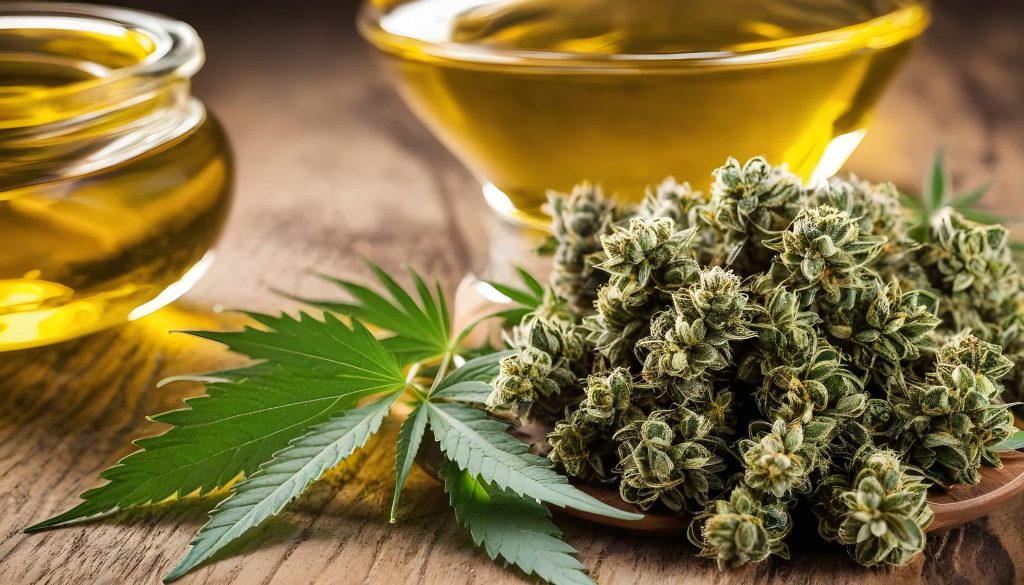
Marijuana, also known as cannabis, is a plant with psychoactive properties used for recreational and medicinal purposes. In recent years, marijuana use has undergone significant changes in social perception and legal status in various parts of the world.
The evolution in social perception and legalization in some places have led to a greater openness in the discussion about the various forms of marijuana use and its possible health impacts.
Table of Contents
ToggleForms of Consumption:
How you consume marijuana is a personal decision that can significantly influence your experience. Below, we take a closer look at the different ways to consume marijuana:
Smoked:
Reefer:
Smoking marijuana in joints, commonly known as "joints", is a practice rooted in the culture of cannabis consumption. This method involves rolling marijuana in special paper and then lighting it. Combustion releases cannabinoids, primarily THC, which are rapidly absorbed by the lungs and transported into the bloodstream. This route of administration provides a virtually immediate onset of psychoactive effects, giving users more immediate control over their experience.
Pipes:
Pipes offer an alternative to joints and allow for more precise dosing. These tools come in various shapes and sizes, from traditional pipes to more advanced devices. By using a pipe, users can control the amount of marijuana they consume and, as with joints, quickly experience the psychoactive effects.
Vaporization:
Vaporization has become increasingly popular due to its health benefits compared to smoking. In this method, marijuana is heated to a temperature high enough to release the cannabinoids in vapor form, without reaching the point of combustion.
This process eliminates the inhalation of harmful chemicals associated with combustion, providing a cleaner and less irritating experience for the lungs. Vaporization also allows for more precise control over temperature, which influences the composition of the cannabinoids and terpenes that are released.
Edible:
Ingesting cannabis orally via edibles is an attractive option for those seeking a more discreet and long-lasting experience. Edibles, which include cookies, brownies, and other baked goods, require a digestion process before the psychoactive effects are fully felt. This can take longer (usually 30 minutes to 2 hours) and the effects tend to be more intense and longer lasting compared to smoking. It is crucial to control dosage when consuming edibles to avoid unwanted negative effects.
Dyes and Oils:
Tinctures and oils are concentrated cannabis extracts that can be administered sublingually, i.e. under the tongue. This form of consumption allows for faster absorption into the bloodstream through the sublingual capillaries, providing faster effects than edibles. In addition, dosage can be controlled more precisely by measuring drops of the tincture or oil.
Topicals and Creams:
Topical products and creams containing cannabis are used for local applications and do not produce a significant psychoactive effect. These products usually contain non-psychoactive cannabinoids, such as cannabidiol (CBD). They are applied directly to the skin and can offer therapeutic benefits, such as pain relief and reduced inflammation, without affecting the central nervous system. This method is ideal for those seeking the medicinal benefits of cannabis without experiencing the psychoactive effects associated with other forms of consumption.
Factors to Consider:
Marijuana use is a personal decision that should be made with caution, considering both the potential benefits and the associated risks. Here we will delve into two crucial factors to keep in mind when approaching cannabis use:
Health Effects of Cannabis:
Using marijuana can have various positive effects on health, offering users benefits that go beyond its well-known relaxing effect. It’s essential to explore these positive aspects to better understand the plant’s therapeutic potential.
Relaxing effect:
One of the most sought-after aspects of cannabis is its recognized relaxing effect. This property can be beneficial in relieving stress and anxiety, providing users with a natural tool to cope with the stresses of everyday life. The feeling of relaxation can contribute to a more balanced mood and improve sleep quality in some cases.
Mental Health Benefits:
Cannabis has been observed to have mental health benefits in certain contexts and doses. Some research suggests it may help reduce the symptoms of conditions such as post-traumatic stress disorder (PTSD) and depression. In addition, medical cannabis with specific concentrations of cannabinoids such as cannabidiol (CBD) has shown possible anxiolytic and antidepressant properties in some preliminary studies.
Analgesic and anti-inflammatory properties:
Cannabis has also been noted for its analgesic and anti-inflammatory properties. For people suffering from chronic conditions, such as arthritis or autoimmune diseases, cannabis can offer pain relief and reduce inflammation. These effects are especially evident in topical products and creams containing cannabinoids that are applied locally.
Potential in the Treatment of Seizures:
Cannabis, and in particular CBD, has shown promising results in the treatment of seizures in some cases of epilepsy resistant to other treatments. This discovery has led to the development of cannabis-based medications to specifically address these conditions.
Dosage and Control:
Understanding the amount of THC:
The main psychoactive compound in marijuana is THC (tetrahydrocannabinol). Different varieties and ways of consuming cannabis can have varying levels of THC, which directly affects the intensity of the effects experienced.
Avoidance of Undesired Effects:
Understanding dosage is crucial to avoid unwanted effects such as anxiety, paranoia or loss of motor coordination. Individual sensitivity to THC can vary, and what works for one person may not be suitable for another.
Responsible Consumption:
Dosing and monitoring are critical to responsible consumption. Measuring and adjusting the amount of cannabis consumed, especially when trying new forms of administration, is essential to ensure a positive experience and minimize associated risks.
Personal Considerations:
Factors such as individual tolerance, previous experience with cannabis, and general health should be taken into account when determining the appropriate dosage. Starting with low doses and increasing gradually, especially with edibles, may be a strategy to avoid unwanted effects.
Conclusion:
Marijuana consumption presents a variety of forms ranging from traditional smoking to more modern options such as edibles, tinctures and oils. Each method offers unique experiences and can have different impacts on the health of consumers.
It’s essential to recognize that cannabis, beyond its recreational side, holds significant therapeutic potential. From its well-known relaxing effect to its analgesic and anti-inflammatory properties, cannabis has caught the attention of the medical and research communities. Its potential benefits for mental and physical health, as well as its role in treating specific medical conditions, have led to growing interest in its medicinal use.
However, informed and responsible decision making is crucial when considering marijuana use. Understanding the effects, accurate dosing and respecting local laws are critical factors in ensuring a positive experience and minimizing associated risks. Each individual is unique, and what may be beneficial for one may not be for another.
In this context, continuing education, research and access to accurate information are essential tools. By approaching marijuana use in a conscious and responsible manner, individuals can take advantage of its potential benefits, thus contributing to a more informed conversation about the role of this plant in public health and modern medicine.
You may also be interested in
- We Explain How to Reduce Smoking
- A Guide to Taking a Tolerance Break
- What does Marijuana do for Anxiety?
Want to get to know us? Discover CUBE, our weed club in Barcelona, see how to get to the club and request your invitation. Access for members aged 18 and over only.


